Harnessing AI for Custom Web Applications: A Guide through the Innovation Journey
The integration of Artificial Intelligence (AI) into web applications has become a cornerstone for businesses seeking to innovate and stay competitive. This guide delves into the transformative journey of custom AI development for web applications, highlighting its potential to revolutionize user experiences, operational efficiency, and personalized services. As we navigate from theoretical underpinnings to strategic frameworks, and from practical development considerations to future-proofing businesses, we uncover the essential steps and decisions that shape the successful implementation of custom AI.
Key Takeaways
- Custom AI solutions offer a tailored approach to innovation, enhancing web applications with personalized user experiences and operational efficiencies.
- A strategic framework for AI development is crucial, involving a clear identification of business needs, goals, and a step-by-step guide through the AI lifecycle.
- The decision between building in-house AI solutions or buying off-the-shelf must be informed by a thorough analysis of business-specific requirements and strategic goals.
- Future-proofing with custom AI involves staying abreast of emerging trends, ensuring scalability, and learning from successful case studies of AI integration.
- Maximizing AI value for stakeholders, including tech entrepreneurs, consultants, and executives, requires aligning AI strategies with unique use cases and organizational visions.
Theoretical Foundations and Practical Implications of Custom AI
Defining Custom AI in the Context of Web Applications
In the realm of digital innovation, Custom AI Web Applications stand as a testament to the transformative power of personalized technology. These are not mere off-the-shelf products; they are the result of meticulous AI Web Development Services, where every aspect of the AI is fine-tuned to the unique pulse of the business it serves. Imagine a web platform that not only responds to user behavior but evolves with it - this is the promise of AI-Driven Web Design.
Custom AI development is the art of engineering solutions that are in perfect harmony with a company's vision and operational needs. It's about creating a digital ecosystem that is as unique as the business itself.
With Web App AI Integration, companies can leap from static online presences to dynamic, Smart Web Applications AI that anticipate and adapt to user needs. The process of AI Web Application Engineering is akin to crafting a bespoke suit; it must fit the company's data, workflows, and challenges like a glove. This is where Tailored AI Web Platforms shine, offering a level of customization that pre-packaged solutions simply cannot match.
AI Innovation in Web Design is not just about aesthetics; it's about functionality, efficiency, and creating a competitive edge. AI Enhanced Web Development is the cornerstone of a strategy that places the user experience at the forefront, ensuring that every interaction is intuitive, relevant, and engaging. For businesses looking to not just participate but lead in their market, Custom AI Web Solutions are the key to unlocking potential and driving innovation.
- AI Web Development Innovation is the process of creating these unique solutions.
- Personalized AI Web Solutions cater to the specific needs of a business.
- Custom AI Web Solutions ensure that the business stands out in the digital landscape.
In the SaaS landscape, customization and integration of AI solutions are not just beneficial; they are imperative for maintaining a competitive advantage. Tailored AI offerings are the engines of operational efficiency and market differentiation, propelling businesses towards a future of innovation and success. As we delve deeper into the intricacies of custom AI, remember that the journey is as critical as the destination. Engage with us, challenge us, and let us embark on this path of discovery together.
Bridging the Gap: From Theoretical Models to Real-World Applications
The journey from theoretical AI models to tangible web applications is fraught with challenges, yet it is a path laden with transformative potential. The key to success lies in a meticulous translation of complex algorithms into user-centric solutions that address real business needs. To navigate this journey, one must consider:
- The alignment of AI capabilities with strategic business objectives.
- The integration of AI into existing technological ecosystems.
- The management of data quality and availability for AI training and operations.
Bridging the theoretical-practical divide requires a deep understanding of both the technology and the domain it is applied to. It is not merely a technical endeavor but a strategic one that demands cross-disciplinary expertise and a clear vision.
As we delve into the practical applications of AI, it is crucial to recognize the iterative nature of this process. It involves continuous refinement and adaptation, ensuring that the AI solutions evolve in sync with the dynamic business landscape. To truly harness the power of custom AI, stakeholders must be willing to embark on an innovation journey that is both challenging and rewarding. Embrace the opportunity to transform your business with AI, and let us guide you through each step of this exciting adventure.
Evaluating the Impact of Custom AI on Business Innovation
The integration of custom AI into business ecosystems has become a pivotal factor in driving innovation and maintaining a competitive edge. Custom AI solutions are not just a technological upgrade; they are a transformative force for business operations. They enable organizations to address unique challenges and leverage their distinctive data sets to create unparalleled customer experiences and operational efficiencies.
The impact of custom AI on business innovation can be encapsulated in the following points:
- Tailored Efficiency: Custom AI solutions optimize specific organizational processes, enhancing operational efficiency and productivity.
- Competitive Advantage: Businesses that align AI with their strategic goals can outpace competitors in the market.
- Scalability: Custom solutions are designed to evolve with the business, ensuring their relevance and value over time.
As AI reshapes the business landscape, it is crucial for organizations to not only adopt AI but to integrate it in a way that is congruent with their unique vision and objectives. Custom AI development is the key to unlocking this potential.
The journey towards custom AI innovation is not without its challenges, but the rewards are substantial. By partnering with an AI developer who understands the nuances of your business, you can embark on a path that leads to sustained growth and success. Remember, the goal is not just to implement AI, but to weave it into the very fabric of your business strategy.
Strategic Frameworks for Custom AI Solution Development
Identifying Business Needs and Goals for AI Integration
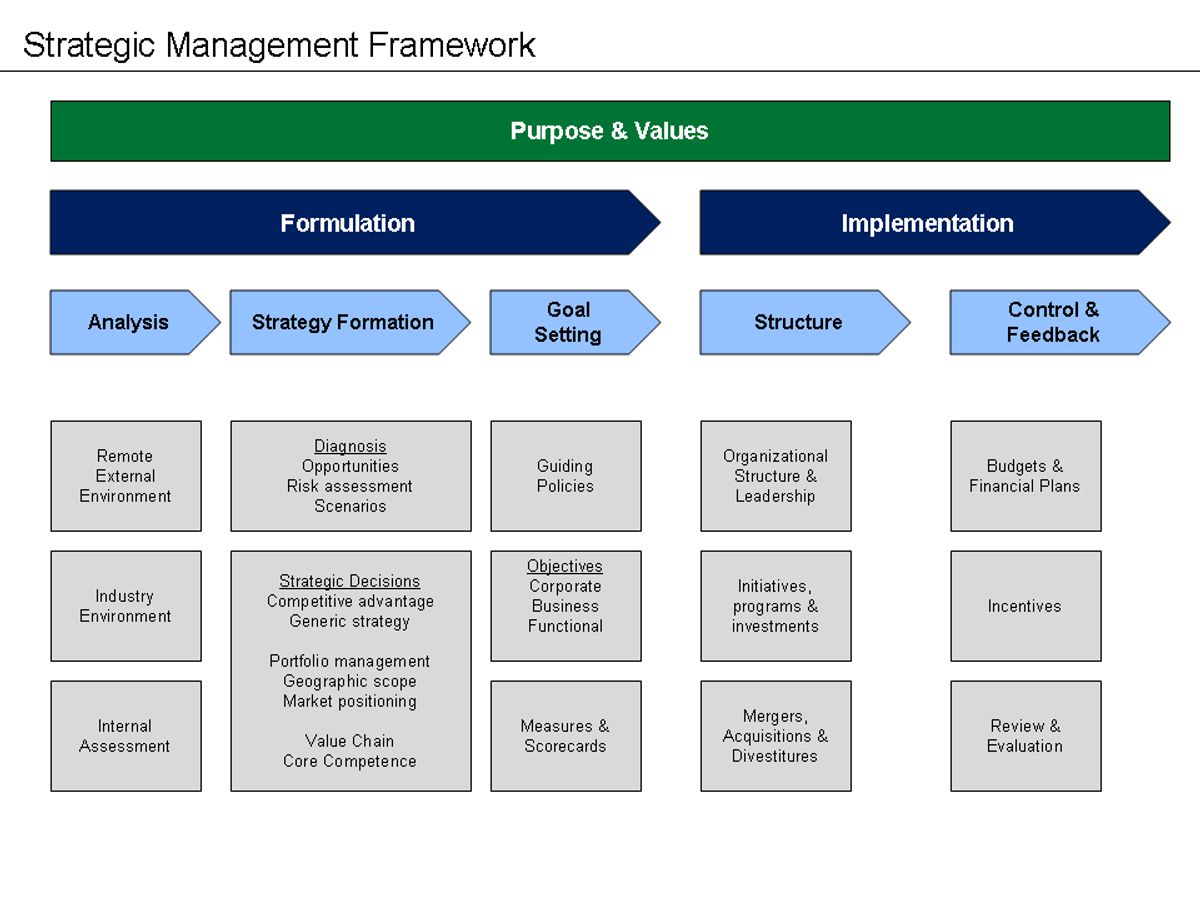
Embarking on the AI innovation journey necessitates a clear understanding of your business's unique needs and strategic goals. Identifying the 'why' and 'what' for AI integration is critical to ensuring that the technology aligns with and propels your business objectives forward. Consider the following points to guide your decision-making process:
- Strategic Alignment: Does the AI solution support your overarching business strategies?
- Data Specificity: Is there a need for custom AI to handle your specific data sets?
- Competitive Differentiation: Can AI provide a distinct advantage in your market?
- Integration and Scalability: How will AI blend with current systems and grow with your business?
By meticulously evaluating these factors, businesses can craft a tailored AI strategy that not only addresses current challenges but also paves the way for future innovation and growth.
The journey towards integrating AI into your business is not without its challenges. It requires a commitment to continuous learning and adaptability. Reskilling your workforce and embedding ethical considerations into your AI initiatives are essential steps in this process. With a strategic approach, the initial high costs and integration complexities can be transformed into valuable investments, unlocking new opportunities and solidifying your market position. Remember, leveraging AI for strategic growth and service optimization is not just about technology; it's about shaping a future-ready business.
Custom AI Development Lifecycle: A Step-by-Step Guide
Embarking on the journey of custom AI development is akin to navigating uncharted waters. It demands a clear understanding of the destination and the best route to get there. The lifecycle of custom AI development is a structured voyage that transforms a vision into a tangible, intelligent solution.
The lifecycle begins with the identification of a business problem that AI can address. This is followed by the collection and preparation of data, which is the fuel for any AI system. Next, comes the model development phase, where algorithms are trained to perform specific tasks. After rigorous testing and validation, the AI solution is deployed into the real-world environment. Finally, continuous monitoring and maintenance ensure the solution remains effective and evolves with the business needs.
- Identification of Business Problem
- Data Collection and Preparation
- Model Development
- Testing and Validation
- Deployment
- Monitoring and Maintenance
The success of custom AI development hinges on meticulous planning and execution at each stage of the lifecycle.
AI integration in software development automates tasks, enhances requirements analysis, and revolutionizes automation tools. Frameworks and methodologies optimize AI utilization for efficient workflows and innovative solutions. As you progress through this guide, remember that the path to AI transformation is iterative and dynamic. It requires a commitment to continuous learning and adaptation. Are you ready to take the first step?
Decision-Making Models for AI Investment and Implementation
Embarking on the journey of integrating custom AI into your business operations requires a meticulous decision-making process. A structured decision-making framework is essential to navigate the complexities of AI implementation and to ensure that investments align with business objectives. This framework should encompass a comprehensive evaluation of strategic needs, potential risks, and expected outcomes.
To begin, consider the following factors in your decision-making model:
- Strategic alignment with business goals
- Technical feasibility and data readiness
- In-house capabilities versus the need for external expertise
- Regulatory compliance and ethical considerations
- A thorough cost-benefit analysis
By methodically assessing these elements, organizations can make informed decisions about whether to build or buy AI solutions, and how to strategically implement them for maximum impact.
The choice between developing in-house AI solutions or outsourcing is a critical one, influenced by factors such as company size, data privacy concerns, and resource availability. A clear understanding of these considerations will guide businesses toward the most advantageous path, be it cultivating internal AI expertise or leveraging external AI innovations.
Remember, the goal is not just to adopt AI, but to harness its full potential for scalable growth and innovation. For more insights on how AI can transform your business, visit the Bles Software website.
Building vs. Buying: A Comparative Analysis of Custom AI Solutions
Assessing the Pros and Cons of In-House AI Development
When it comes to the creation of custom AI solutions, the decision to develop in-house is a strategic one that can shape the very fabric of your business's technological evolution. Developing custom AI solutions in-house allows businesses to maintain complete control over their projects, from conception to deployment, ensuring that every aspect of the AI system aligns with the company's unique needs and values.
However, this approach is not without its challenges. Establishing an in-house AI development team requires significant investment in time, resources, and talent. The IBM Global AI Adoption Index 2023 highlights a stark reality: 20% of organizations report a shortage of employees with the right skills, and 16% struggle to find new hires with the necessary AI expertise.
The choice between in-house development and outsourcing is more than a mere operational decision; it is a reflection of your company's commitment to innovation and its readiness to invest in the future.
Here's a quick glance at the pros and cons of in-house AI development:
-
Pros:
- Control and Privacy: Greater control over the development process and data privacy.
- Customization: Ability to tailor solutions precisely to specific business needs.
- Access to Expertise: Leverage existing in-house knowledge and experience.
-
Cons:
- Resource Intensive: High costs and significant time investment.
- Skill Shortages: Difficulty in hiring and retaining AI talent.
- Scalability Challenges: Potential limitations in scaling solutions quickly.
As you weigh these factors, consider the size of your company, the sensitivity of your data, and the availability of skilled AI professionals. Remember, the journey to AI innovation is not a solo endeavor. Engage with us, share your experiences, and let's explore the vast potential of AI together. Your insights could be the catalyst for the next breakthrough in custom AI development.
When to Buy: Evaluating Off-the-Shelf AI Solutions
In the realm of artificial intelligence, the allure of off-the-shelf AI solutions is undeniable. They promise a swift and cost-effective entry into the world of AI, with the convenience of being pre-built and ready for immediate deployment. These solutions are crafted to meet the general needs of a broad spectrum of industries, offering a standardized approach to AI adoption.
However, it's crucial to recognize the inherent limitations of these one-size-fits-all solutions. While they may provide an expedient solution, they often lack the flexibility to mesh seamlessly with a company's unique data ecosystem and the specificity to tackle distinct business challenges. This is where the strategic decision-making process comes into play.
- Immediate Accessibility: Off-the-shelf AI solutions are readily available for deployment.
- Cost-Effectiveness: They are generally more affordable than custom-built solutions.
- Standardization: Designed for broad industry application, ensuring a level of reliability.
The decision to buy rather than build should be weighed against the potential for a solution to become a limiting factor as your business evolves.
For businesses contemplating the purchase of off-the-shelf AI, it is essential to consider not only the initial benefits but also the long-term implications. Will the solution scale with your growth? Can it adapt to the changing landscape of your industry? These questions are pivotal in determining whether to invest in a ready-made solution or to explore the tailored potential of custom AI.
Strategic Considerations for Custom AI Procurement
As we delve into the strategic considerations for custom AI procurement, it's essential to recognize that the decision to build or buy is not merely a technical one; it's a strategic business choice that can shape your competitive landscape. The landscape of artificial intelligence is as varied as the businesses it seeks to transform. Custom AI solutions offer a tailored approach to harnessing the power of AI, aligning with your unique business objectives and providing a competitive edge.
To navigate this decision effectively, consider the following factors in a structured decision-making framework:
- Strategic Alignment: Ensure the AI solution aligns with your business goals.
- Data Specificity: Evaluate if your unique data necessitates a custom approach.
- Competitive Differentiation: Determine if a custom AI can set you apart in the market.
- Integration and Scalability: Assess the need for seamless integration and future growth.
By carefully assessing specific needs and potential areas for application, organizations can harness the full power of AI tailored precisely to their objectives.
In conclusion, opting for a custom AI solution is a significant investment in your business's future. It's a commitment to innovation, to standing out in your industry, and to leveraging technology that works for you, not just with you. Remember, experts like Stas Sorokin, a Pro on Fiverr, are highly rated for their ability to integrate AI and API into web development projects, offering a glimpse into the potential partnerships that can elevate your custom AI journey.
Future-Proofing Businesses with Advanced Custom AI Applications
Emerging Trends in AI and Their Implications for Custom Solutions
As artificial intelligence continues to evolve at a breakneck pace, staying abreast of emerging trends is crucial for businesses aiming to maintain a competitive edge. The landscape of custom AI solutions is no exception, with several key trends poised to redefine how businesses develop and implement AI strategies. Understanding these trends can help organizations anticipate changes, adapt their AI development strategies accordingly, and harness new opportunities for innovation and growth.
For businesses investing in custom AI solutions, keeping pace with these and other emerging trends is not just about technological innovation; it's a strategic imperative. As AI technologies evolve, so do the opportunities for leveraging these advancements to create more sophisticated, efficient, and impactful AI solutions. Businesses that stay informed and adaptable can anticipate shifts in the AI landscape and position themselves for success.
AI-driven analytics empower businesses to leverage data for strategic decision-making, predictive insights, and sustainable competitive advantages. Integration and AI literacy are key for success in the digital landscape.
In conclusion, the future of custom AI solutions is bright and bustling with potential. By staying informed about emerging trends and integrating these advancements into their AI development strategies, businesses can ensure their custom AI solutions remain at the cutting edge, delivering maximum benefit and sustaining their competitive advantage in an ever-evolving digital world.
Incorporating Scalability and Adaptability in AI Design
In the realm of custom AI, scalability and adaptability are not mere buzzwords; they are the cornerstones of sustainable innovation. Businesses must maintain agility and a commitment to continuous learning to fully exploit AI's potential. As your business evolves, so too should your AI solutions, seamlessly scaling to meet growing demands and adapting to new challenges.
- Transparency and Communication: Essential for a collaborative AI development process.
- Scalability: Vital for AI solutions to grow with your business needs.
- Flexibility and Adaptability: Crucial for responding to changes and unforeseen challenges.
- Post-Development Support: Imperative for maintaining efficient and up-to-date AI systems.
The key to future-proofing your business lies in selecting AI solutions that are not only powerful today but can also stand the test of time and technological advancement.
As you consider the integration of AI into your web applications, remember that the journey does not end at deployment. Ongoing support and maintenance are critical to ensure that your AI continues to deliver value. Inquire about professional API integration services to keep your systems interconnected and functioning at their peak. The right partner will offer not just initial development expertise but also the assurance of long-term support, allowing you to focus on your core business while your AI solutions evolve alongside your market.
Case Studies: Successful Implementation of Custom AI Innovations
The journey of integrating Innovative Web Solutions AI into the fabric of business operations is illuminated by the success stories of those who have ventured before. Custom AI development is not just about technology; it's about envisioning and executing a strategy that intertwines AI Custom Software Solutions with the core objectives of a business.
The transformative power of AI is most evident when solutions are tailored to the unique contours of a business's challenges and aspirations.
Consider the following case studies that demonstrate the successful implementation of Business Web Apps AI:
- A retail giant that leveraged custom AI to personalize customer experiences, resulting in a 30% increase in online sales.
- A healthcare provider that implemented AI-driven diagnostic tools, enhancing patient outcomes and operational efficiency.
- A financial services firm that utilized AI for risk assessment, achieving a significant reduction in fraudulent transactions.
These narratives are not just stories; they are beacons for businesses seeking to navigate the complex landscape of AI integration. The decision to invest in custom AI solutions is vindicated by the tangible benefits realized by these pioneers. As you contemplate the next steps for your organization, remember that the path to innovation is not solitary. It is a collaborative expedition, requiring a blend of expertise, foresight, and the courage to embrace the unknown.
Maximizing the Value of Custom AI for Diverse Stakeholders

For Tech Entrepreneurs and Startups: Capitalizing on Unique AI Use Cases
In the realm of tech entrepreneurship and startup innovation, custom AI presents a frontier brimming with opportunities. Identifying and harnessing unique AI use cases can be the differentiator that propels a new venture to the forefront of its industry. This guide serves as a beacon, illuminating the path to integrating AI into your business model and crafting strategies to stand out in a competitive landscape.
- Draw on the guide's exploration of custom AI applications to pinpoint opportunities that can distinguish your offerings.
- Utilize the insights on building vs. buying AI solutions to make informed strategic decisions on resource allocation for AI development.
By focusing on early ROI opportunities and crafting a smart expansion plan, tech entrepreneurs can lay a robust foundation for future-proofing their AI strategy.
Discover how to weave AI into the very fabric of your business, creating a compelling narrative for investment and growth. Engage with this guide to learn from real-world experiences, where innovative compliance-based use cases have paved the way for broader AI and automation implementation. As you embark on this journey, remember that the right AI application is not just a tool—it's a transformative force that can redefine the value you bring to your customers.
We invite you to continue exploring this guide, to not only understand the theoretical underpinnings of AI but to also apply these concepts in a practical, impactful manner. Let this be the catalyst for your innovation journey, and may your ventures thrive in the AI-augmented world.
For Digital Transformation Consultants: Tailoring AI to Client Needs
In the realm of digital transformation, consultants are the architects of change, guiding businesses through the intricate maze of technological advancement. Custom AI development is akin to tailoring a suit, designed to fit a company's unique data, workflows, and problem domains like a glove. This bespoke approach ensures seamless integration with existing systems and unlocks the full potential of AI by addressing precise business needs.
Embracing AI metrics for benchmarking and continuous improvement is essential for business success. AI-driven analytics optimize marketing ROI, improve customer targeting, and enhance data-driven decision-making for growth and competitive advantage.
As a consultant, your role is pivotal in helping clients navigate the AI landscape. Utilize the guide to bolster your consultancy offerings, providing informed advice on custom AI solutions. Draw upon case studies and examples to illustrate the transformative potential of AI, aiding clients in envisioning the impact on their operations. The benefits of custom AI are manifold, and your strategic insight can lead businesses to identify opportunities for AI implementation and achieve digital excellence.
To ensure your clients are not merely keeping pace but setting the benchmark in their respective industries, consider the following strategic steps:
- Assess the client's current technological infrastructure and data capabilities.
- Identify key areas where AI can drive significant improvements.
- Develop a tailored AI strategy that aligns with the client's business objectives.
- Guide the implementation process, ensuring smooth adoption and integration.
- Establish metrics for measuring AI performance and impact over time.
By following these steps, you will not only provide value to your clients but also cement your position as a trusted advisor in the digital age. Remember, the journey to AI integration is continuous, and your expertise is crucial for businesses aiming to thrive in an ever-evolving landscape.
For Business Executives: Aligning AI Strategy with Organizational Vision
In the era of digital transformation, business executives are the helmsmen steering their companies through the uncharted waters of technological innovation. The integration of custom AI solutions offers a beacon for navigating these waters, promising enhanced operational efficiency and a competitive edge. However, the journey is not without its challenges.
- Ethical use of AI in business is crucial for trust and social impact.
- AI analytics drive smarter decisions and growth.
- Overcoming challenges like big data integration and skills gap is essential.
The strategic alignment of AI initiatives with your company's vision is not just about adopting new technologies; it's about fostering a culture of innovation and responsible use that resonates with all stakeholders.
By leveraging the frameworks and insights provided in this guide, you can evaluate the potential of custom AI solutions and ensure they are in harmony with long-term business goals and industry trends. The blueprint for becoming an AI-first enterprise is within these pages, offering a structured approach to transition into an AI-powered future. Remember, the ethical and environmental considerations of AI are as important as its technical capabilities. Addressing bias, privacy, sustainability, and energy consumption is imperative for responsible AI use and maintaining public trust.
Conclusion
In the quest to remain competitive and innovative in an increasingly digital world, businesses must consider the strategic integration of custom AI solutions into their web applications. This guide has traversed the multifaceted landscape of AI-driven innovation, providing a beacon for those embarking on or advancing their journey with custom AI web applications. We have underscored the transformative potential of AI when meticulously aligned with specific business challenges and objectives, offering a bespoke approach that transcends the limitations of generic solutions. As we look to the future, it is evident that the tailored application of AI will continue to be a critical differentiator for businesses seeking to enhance user experiences, operational efficiency, and personalized interactions. It is our hope that the insights and strategies delineated herein will empower organizations to navigate the complexities of custom AI development with confidence and foresight, ultimately propelling them towards sustained success and growth in the digital era.
Frequently Asked Questions
What is Custom AI in the context of web applications?
Custom AI refers to artificial intelligence solutions that are specifically designed and developed to meet the unique requirements of web applications. These solutions are tailored to enhance user experience, increase operational efficiency, and provide personalized interactions within web-based platforms.
How can businesses benefit from integrating Custom AI into their operations?
Businesses can benefit from Custom AI by gaining a competitive edge through improved decision-making, automating repetitive tasks, offering personalized customer experiences, and driving innovation. Custom AI can also provide actionable insights by analyzing large volumes of data, leading to better business outcomes.
What are the key considerations when deciding between building or buying Custom AI solutions?
Key considerations include the specific business needs, in-house AI expertise, cost implications, time constraints, scalability, and the potential return on investment. Building in-house allows for full customization, while buying off-the-shelf solutions can be quicker and less resource-intensive.
What are some emerging trends in AI that are shaping the future of Custom AI applications?
Emerging trends include the use of machine learning for real-time data processing, the integration of AI with the Internet of Things (IoT), advancements in natural language processing, and the growing importance of ethical AI. These trends are influencing how Custom AI solutions are developed and implemented.
How can tech entrepreneurs and startups leverage Custom AI for strategic advantage?
Tech entrepreneurs and startups can leverage Custom AI by identifying unique use cases that differentiate their products or services, making informed decisions on AI development, and utilizing AI to streamline operations, innovate, and enhance customer engagement.
What role do digital transformation consultants play in the Custom AI development process?
Digital transformation consultants help businesses identify areas where AI can add value, tailor AI solutions to specific business challenges, and guide the implementation process. They ensure that the AI strategy aligns with the organization's overall vision and goals, facilitating a smooth digital transformation.
Comments
Post a Comment