Navigating the Revolution: How AI-Enhanced Web Applications Are Redefining Business Success
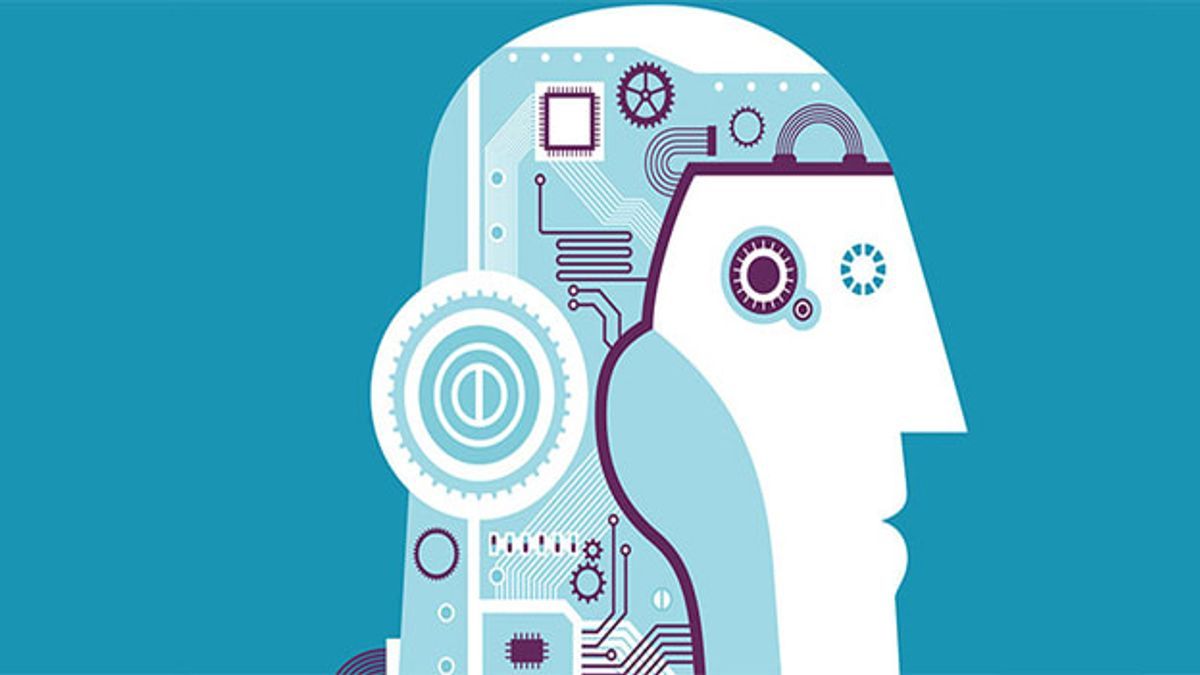
Discover the transformative impact of AI-driven custom web applications on business innovation and success. Explore the journey from idea to implementation, showcasing how AI enhances user experience, operational efficiency, and personalized interactions in web solutions. The power of artificial intelligence is fueling a revolution in the business world, becoming a critical component for those seeking to thrive in the digital age.
Key Takeaways
- AI is revolutionizing business models by optimizing processes, enabling data-driven decision-making, and pioneering new paths for innovation.
- Ethical and environmental considerations are paramount in AI adoption, with a focus on addressing bias, privacy, and sustainability.
- AI-driven web applications are transforming user experiences through personalization, automation, and intuitive digital interfaces.
- The competitive landscape is being reshaped by AI, setting new industry standards and redefining benchmarks for business success.
- Strategic partnerships and a thorough understanding of AI implementation are essential for capitalizing on the opportunities AI presents in web development.
The Strategic Imperative of AI in Business Innovation

AI as a Catalyst for Entrepreneurial Transformation
In the landscape of modern entrepreneurship, AI stands as a transformative force, redefining the very fabric of business innovation. Entrepreneurs are now equipped with tools that can decipher complex data patterns, automate mundane tasks, and craft strategies with unprecedented precision. This seismic shift is not just about technology; it's about reimagining the potential of human creativity when augmented by intelligent machines.
- AI-driven analytics empower entrepreneurs to make data-backed decisions.
- Automation frees up valuable time, allowing focus on strategic growth.
- Predictive models offer insights into consumer behavior, shaping product development.
The integration of AI into entrepreneurial ventures is not merely an option; it is an imperative for those seeking to thrive in an increasingly competitive landscape.
As we delve into the era of AI, it's crucial to recognize the symbiotic relationship between human ingenuity and artificial intelligence. The fusion of these elements catalyzes a new wave of entrepreneurial ventures, where the boundaries of innovation are continually expanded. To remain at the forefront of this revolution, embracing AI is not just a strategic move—it's a journey towards redefining success.
Are you ready to transform your business with AI? Join the vanguard of entrepreneurs who are not just adapting, but leading the charge in the AI revolution. The time to act is now—forge your path to success with the power of AI.
Optimizing Business Processes through AI Integration
In the midst of the digital economy, AI revolutionizes business operations by automating tasks, analyzing data, and enhancing decision-making. The integration of AI into business processes is not just a trend; it's a strategic imperative for companies seeking growth and efficiency. Intelligent Process Automation (IPA) exemplifies this transformation, turning complex tasks into streamlined, automated processes. This shift is crucial for areas like inventory optimization and warehouse management, where precision and efficiency are paramount.
Businesses must maintain agility and a commitment to continuous learning to fully exploit AI's potential. Adapting to AI-related workflows and processes necessitates reskilling the workforce and embedding ethical considerations into the AI deployment fabric.
By harnessing AI, companies can not only improve their operational efficiency but also gain a significant competitive advantage. The table below illustrates the dual impact of AI on business processes:
| Impact Area | AI Contribution |
|---|---|
| Customer Experience | Personalized engagement increases loyalty |
| Operational Efficiency | Automation reduces costs and errors |
To stay ahead, businesses must integrate AI for growth, efficiency, and strategic advantage. The journey towards AI-enhanced operations is complex, but with the right approach, it can lead to unparalleled success. Embrace the AI revolution and redefine your business's future.
Navigating Ethical and Environmental Considerations in AI Adoption
In the quest to harness the transformative power of AI, businesses must embrace ethical AI practices for unbiased analytics, transparency, fairness, and data privacy. The ethical use of AI extends beyond legal compliance; it demands a commitment to mitigating bias in AI models for equitable outcomes. AI integration in business requires ethical considerations and vigilance to uphold values such as non-discrimination, individual rights, and privacy protection.
The sweeping tides of AI and digital transformation carry ethical implications that require careful navigation.
Another aspect that warrants attention is AI's environmental footprint. As AI systems become more prevalent, their demand for processing power and energy surges. This prompts a critical examination of sustainable AI practices, such as using renewable energy sources and efficient energy storage solutions. The industry must champion responsible innovation and ecological consciousness.
A proactive approach is needed to address these issues. Here are some steps businesses can take:
- Conduct regular audits to identify and rectify biases in AI algorithms.
- Implement strict data privacy measures to protect individual rights.
- Invest in renewable energy and energy-efficient technologies for AI operations.
- Foster a culture of ethical awareness and training within the organization.
Remember, the path to AI-enhanced business success is paved with ethical and environmental responsibility. Let's navigate this revolution with a conscience. Join the conversation and share your thoughts on how we can collectively ensure a responsible AI future.
AI-Driven User Experience: A Paradigm Shift in Web Interactions

Personalizing User Engagement with AI
In the digital age, Tailored AI Web Platforms are not just a luxury; they are a strategic necessity. The transformative power of AI-driven analytics is reshaping the landscape of customer engagement, fostering loyalty, and propelling businesses toward unprecedented growth. Personalized experiences, underpinned by predictive analytics, are no longer the future—they are the present, driving revenue and cementing market leadership in the digital economy.
The impact of personalization on user experience and engagement is monumental. A study by Epsilon found that 80% of consumers are more likely to make a purchase when brands offer personalized experiences. This statistic is a testament to the critical role AI plays in amplifying the effectiveness of digital marketing strategies.
By leveraging client data, AI tools can tailor communications and marketing materials to individual preferences, enhancing client engagement and satisfaction. This level of personalization, once a labor-intensive process, is now achieved with greater accuracy and efficiency. AI is the engine driving this revolution, analyzing user data such as browsing behavior, purchase history, and engagement metrics to deliver content that resonates on a personal level.
The profound transformative impact of AI on customer experiences leads to increasingly tailored interactions that cater to the individuality of each customer. In a world where customer expectations are ever-evolving, AI stands as a beacon of innovation, enabling organizations to craft emotion-rich customer interactions that resonate deeply.
Automating User Interactions for Enhanced Efficiency
In the midst of the AI revolution, businesses are discovering the transformative power of automating user interactions. AI innovation in Web Design is not just about aesthetics; it's about creating a seamless, efficient, and highly personalized user experience. By automating tasks that were once manual, AI enables web applications to operate with unprecedented precision and speed, leading to a host of benefits that directly impact the bottom line.
The automation of customer interactions not only improves efficiency but also enhances the customer experience, providing timely and relevant assistance.
Consider the following advantages of AI-driven automation:
- Cost savings through reduced need for manual labor
- Quality improvement with consistent, error-free interactions
- Resource optimization by reallocating human talent to more strategic tasks
The AI revolutionizes operational efficiency by automating tasks, enhancing accuracy, and optimizing workflows. As we continue to navigate this digital transformation, it's clear that AI is not just an option but a strategic imperative for businesses aiming to thrive in the competitive web landscape. Embrace the change, and let AI lead the way to a more efficient, engaging, and successful future.
The Role of AI in Creating Intuitive Digital Interfaces
In the realm of AI-Driven Web Design, the transformation of user experience is profound. AI's unparalleled ability to analyze user data and behavior patterns leads to interfaces that are not just visually appealing but also incredibly intuitive. These smart designs anticipate user needs, offering a seamless navigation experience that feels almost telepathic.
Moreover, AI's ability to process and interpret natural language through chatbots and virtual assistants has bridged the gap between human-like interaction and digital convenience. These AI-powered interfaces provide instant support, guiding users through websites with ease, answering queries, and even helping in decision-making processes. This level of interaction not only enhances user engagement but also significantly improves customer service without the need for extensive human resources.
The synergy between AI and web design is not a distant future—it's a strategic imperative today. By embracing AI, businesses can craft digital experiences that resonate deeply with users, fostering loyalty and driving success.
As we witness the evolution of AI in digital transformation, it's clear that the competitive landscape is shifting. Businesses that leverage AI to create intuitive digital interfaces are not just staying ahead—they are setting new standards. To be part of this revolution, one must not only observe but actively participate. Engage with Stas Sorokin's AI lectures and projects, which are tailored to individual needs, and exceed expectations by providing invaluable knowledge and growth.
Operational Excellence through AI: Redefining Efficiency and Security

Streamlining Operations with Intelligent Automation
In the relentless pursuit of operational excellence, businesses are turning to AI-driven data analysis to redefine efficiency and secure a competitive edge. AI-powered Intelligent Process Automation (IPA) is transforming the landscape of business operations, enabling companies to navigate complex tasks with unprecedented agility. By harnessing AI to refine processes, organizations are witnessing tangible improvements across various domains, from inventory optimization to warehouse management.
The integration of AI into operational workflows has streamlined operations and enhanced efficiency, allowing companies to pivot swiftly in response to market demands. Consider the following benefits:
- Cost Reduction: AI minimizes operational expenses by automating routine tasks and optimizing resource allocation.
- Error Minimization: Advanced algorithms ensure accuracy, reducing the incidence of costly mistakes.
- Innovation and Competitiveness: Embracing AI fosters innovation, propelling businesses to the forefront of their industries.
Embrace AI for transformative outcomes and strategic initiatives in the digital marketplace.
As we delve deeper into the AI revolution, it becomes clear that the adoption of intelligent automation is not merely a trend but a strategic imperative. Companies that leverage AI to streamline operations are not just surviving; they are thriving, reshaping the very fabric of their industries. To remain relevant and competitive, it is crucial to integrate AI into your strategic initiatives. The time to act is now—transform your operations and witness the power of AI.
Leveraging Predictive Analytics for Proactive Decision Making
In the realm of business, predictive analytics stand as a beacon of innovation, guiding companies through the fog of uncertainty. By harnessing the power of AI-driven analytics, businesses are not only reacting to changes but are anticipating them, setting the stage for proactive strategies that ensure sustained growth and a formidable market presence.
Predictive analytics empower organizations to transition from a reactive to a proactive stance, transforming data into a strategic asset that drives decision-making.
The application of machine learning algorithms sifts through the noise of big data, unveiling patterns and insights that were once obscured. This analytical prowess is not just about predicting the future; it's about creating it. Companies that integrate predictive analytics into their decision-making fabric are often the ones that set industry benchmarks, leaving competitors to follow in their wake.
Consider the following applications of predictive analytics in various business sectors:
- Customer Service: AI chatbots that predict and address customer inquiries.
- Sales: Insights that anticipate customer needs and drive revenue.
- Fraud Detection: Systems that identify and mitigate potential risks.
- Predictive Maintenance: Algorithms that forecast equipment failures, reducing downtime.
The table below illustrates the transformative impact of predictive analytics on key business metrics:
| Metric | Before AI | After AI |
|---|---|---|
| Decision Speed | Slow | Rapid |
| Accuracy | Moderate | High |
| Cost Efficiency | Low | Improved |
| Customer Satisfaction | Variable | Enhanced |
By embracing the AI-driven analytics revolution, businesses are not just surviving; they are thriving. They are predicting trends, enhancing efficiency, and securing a competitive edge through data-driven growth and operational excellence. The call to action is clear: to remain relevant and successful in today's fast-paced business environment, the integration of predictive analytics is not just an option; it's a strategic imperative.
Ensuring Robust Security in AI-Enhanced Web Applications
In the digital realm, security is not just a feature; it's a cornerstone of trust and reliability. AI and ML are revolutionizing the way we protect web applications, offering a dynamic shield against evolving cyber threats. These intelligent systems are not static; they learn from past intrusions, adapting to counteract future risks with remarkable agility.
AI-driven security measures go beyond traditional defenses. They offer a sophisticated approach to identifying vulnerabilities, employing advanced algorithms to predict and thwart potential breaches. This proactive stance is crucial in an environment where threats are increasingly sophisticated and pervasive.
The integration of AI in security protocols also transforms user authentication. The shift from password-based systems to biometric and behavior-based authentication represents a leap forward in ensuring that access is both seamless for the user and impenetrable to intruders.
To fully harness the power of AI in fortifying web applications, businesses must build AI literacy, adapt to real-time data, and develop proactive risk strategies. This is not just about keeping pace with the AI revolution—it's about leading it in your domain, whether that be manufacturing, risk management, or B2B sales.
Embrace the transformative potential of AI and ML in your web application's security strategy. The future of your business may depend on it.
AI and the Evolution of Competitive Advantage

Reshaping Industry Standards with AI Innovations
The advent of AI-driven analytics has initiated a seismic shift in the business landscape, revolutionizing decision-making by harnessing the power of machine learning and predictive modeling. This transformation is not just about smarter choices; it's about propelling businesses into a future of accelerated growth and unprecedented possibilities.
In the realm of manufacturing, AI's transformative touch is evident. Consider the following applications:
- Robotic process automation (RPA) streamlining paperwork processes.
- Machine learning algorithms optimizing supply chain logistics.
- AI-driven talent acquisition aligning candidates with both job requirements and company culture.
AI reshapes industries, drives growth, and redefines what is possible. As businesses and societies prepare for the future, the role of AI in shaping the landscape of 2024 and beyond cannot be overstated.
Innovation is no longer a mere buzzword but a tangible reality, with AI at its core. From private large language models to small business design enhancements, AI adapts to market trends and logistical challenges, redefining resilience and operational efficiency. The strategic integration of AI is not just about reducing costs; it's about unlocking new, aligned solutions for a rapidly evolving world.
As we look to the future, the question is not if, but how we will engage with AI to redefine industry standards. The time to act is now. Embrace the AI revolution and secure your place at the forefront of business innovation.
AI as the New Benchmark for Business Success
In the digital age, AI-driven analytics revolutionizes businesses by providing actionable insights, enhancing decision accuracy, and fostering strategic agility for growth and innovation. This transformation is not a fleeting trend but a fundamental shift in the business landscape. Companies that embrace AI are setting new standards of excellence, redefining what it means to be successful in their respective industries.
The integration of AI into business operations is no longer an option but a strategic imperative. Those who fail to adapt risk falling behind in an increasingly competitive and technology-driven market.
AI's impact on business is profound and multifaceted. It extends from the boardroom to every facet of operations, driving efficiency and competitive advantage. Here are some key areas where AI is making its mark:
- Optimizing processes: From inventory management to customer service, AI streamlines complex tasks.
- Enhancing analytics: Leveraging data for predictive insights, AI aids in precision and foresight.
- Fostering innovation: Generative AI unlocks new levels of creativity and efficiency.
As we witness the emergence of AI as the new benchmark for business success, it is crucial to recognize the strategic partnerships that facilitate this journey. Companies like Koombea stand at the forefront, ready to guide businesses through the transformative power of AI. Embrace the revolution, and let AI be the catalyst for your business's growth and innovation.
Strategic Partnerships in Navigating the AI Revolution
In the vanguard of the AI revolution, strategic partnerships emerge as the linchpin for businesses aiming to harness the full potential of artificial intelligence. Collaboration with the right partners can accelerate innovation, streamline integration, and magnify the impact of AI initiatives. These alliances are not just about sharing technology; they are about co-creating value and driving mutual growth.
- Quick Wins with high ROI: Leveraging existing AI solutions for immediate returns.
- Data Strategy Development: Identifying unique proprietary data to create a competitive edge.
- Resource Allocation: Directing efforts towards high-impact AI projects.
Embracing AI requires a strategic overhaul, not just technological adoption.
The journey towards AI empowerment is multifaceted, involving a blend of leadership-driven strategy and grassroots innovation. By engaging in strategic partnerships, companies can navigate the complexities of AI implementation, ensuring that their AI strategy is not just a technological upgrade but a cornerstone of their competitive advantage. As you consider the next steps for your business, remember that the path to AI excellence is best traveled together. Visit the [Bles Software website](#) for more insights on leveraging AI for scalable growth and innovation across different business stages.
From Concept to Reality: Implementing AI in Web Development

The Journey from AI Idea to Web Application Implementation
The transition from a conceptual AI idea to a fully functional web application is a journey marked by meticulous planning, strategic execution, and continuous refinement. Custom AI Web Applications are not just a trend; they are becoming a necessity for businesses seeking to stay ahead in the digital arena. The process of AI Web Application Engineering involves several critical steps, each requiring a unique blend of creativity, technical expertise, and business acumen.
To ensure success, one must navigate through a series of phases:
- Ideation and conceptualization of the AI solution
- Selection of the right AI Web Development Services
- Design and development of the application
- Rigorous testing and quality assurance
- Deployment and continuous improvement
Embracing Smart Web Applications AI technology is not just about adopting new tools; it's about transforming your business to meet the evolving demands of the digital ecosystem.
Choosing the right partner for AI integration is crucial. Stas Sorokin, a Pro on Fiverr, offers web development services with expertise in JavaScript, Node.js, PHP, Angular Material, and Laravel. Specializes in API integration and AI applications. This expertise is vital in ensuring that your AI-enhanced web solution not only meets but exceeds user expectations, providing a seamless and engaging user experience.
Overcoming Challenges in AI Integration
The path to integrating AI within web applications is fraught with obstacles, yet it is a journey that can redefine the very fabric of business success. Web App AI Integration is not merely a technical endeavor; it is a strategic move that demands a holistic approach. The complexities of legacy systems, the talent gap, and the need for secure AI tools are just the tip of the iceberg.
Embracing AI Web Development Innovation requires a two-pronged approach: top-down guidance and bottom-up empowerment. Leadership must identify high-impact areas for AI investment, while teams should be equipped with the tools to innovate within their roles.
To navigate these challenges effectively, consider the following steps:
- Assess your current infrastructure and identify potential integration points for AI.
- Prioritize areas where AI can deliver quick wins or significant competitive advantages.
- Address the talent gap by fostering partnerships with educational institutions.
- Collaborate with specialized AI companies to leverage their expertise.
- Cultivate a culture of innovation that encourages experimentation and learning.
The integration of AI into web applications is not just about overcoming technical hurdles; it's about seizing the opportunity to innovate and secure a competitive edge. As you embark on this transformative journey, remember that the challenges you face today are the stepping stones to tomorrow's success. We invite you to join the revolution and redefine what's possible in your business.
Case Studies: Success Stories of AI-Enhanced Web Solutions
The landscape of business web applications is being transformed by the advent of AI Enhanced Web Development, which is not just a trend but a strategic pivot towards operational superiority. Innovative Web Solutions AI has been at the forefront, showcasing how AI can revolutionize industries and redefine user engagement. For instance, law firms have leveraged AI Custom Software Solutions to predict client needs with unprecedented accuracy, transforming their approach to client management and marketing.
Personalized AI Web Solutions have made it possible for streaming services to curate content that resonates with individual preferences, exemplifying the power of AI in creating a bespoke user experience. This is just a glimpse into the potential that AI holds for businesses seeking to innovate and stay ahead of the curve.
The integration of AI into web development is not merely an enhancement; it's a complete overhaul of the digital experience, setting a new benchmark for what is possible.
Custom AI Web Solutions are not a one-size-fits-all proposition. They require a nuanced understanding of the business's unique challenges and goals. The table below illustrates the diversity of applications and the measurable impact of AI on various sectors:
| Sector | AI Application | Impact |
|---|---|---|
| Legal | Predictive Analytics | Improved Client Management |
| Entertainment | Personalized Content Curation | Increased User Engagement |
As we delve into these case studies, we invite you to consider how AI can be the catalyst for your own business's transformation. Embrace the revolution, and partner with experts like Stas4000, who offer a suite of AI development services. The journey to Business Web Apps AI success starts with the first step towards innovation.
Conclusion
As we stand on the cusp of a new digital epoch, the integration of AI into web applications has emerged as a pivotal force in redefining business success. This revolution transcends mere technological advancement, positioning AI as a cornerstone in the architecture of modern enterprises. The journey from ideation to implementation of AI-driven web solutions has illuminated the path for enhanced user experiences, operational efficiencies, and personalized interactions, which are now indispensable for companies aiming to thrive in the competitive digital landscape. While embracing this transformation, businesses must navigate the ethical and environmental implications of AI, ensuring responsible usage that aligns with the evolving standards of excellence. The future beckons with a promise of innovation, growth, and a reimagined business paradigm, where AI is not just an enabler but the very fabric of digital transformation.
Frequently Asked Questions
How is AI transforming business innovation?
AI is revolutionizing business innovation by optimizing processes, enhancing data analytics, and fostering growth. It enables businesses to transform their operations, make data-driven decisions, and create personalized customer experiences, which are crucial for thriving in the digital age.
What role does AI play in web application development?
AI plays a significant role in web application development by making applications more intuitive, efficient, and secure. It allows for the personalization of user experiences, automation of complex processes, and the creation of smart solutions that can adapt and learn from user interactions.
What are the ethical and environmental considerations in adopting AI?
Adopting AI involves addressing ethical and environmental considerations such as bias, privacy, sustainability, and energy consumption. Companies must ensure responsible AI use by implementing fair, transparent, and energy-efficient AI systems while safeguarding user data.
How does AI integration affect user experience on web platforms?
AI integration significantly enhances user experience on web platforms by providing personalized engagement, automating interactions, and creating intuitive digital interfaces. This leads to more efficient and immersive user interactions, tailored to individual preferences and behaviors.
In what ways can AI contribute to operational excellence?
AI contributes to operational excellence by automating routine tasks, offering predictive analytics for proactive decision-making, and ensuring robust security. These capabilities streamline operations, reduce errors, and provide insights that help businesses stay ahead of potential challenges.
Why are strategic partnerships important in the AI revolution?
Strategic partnerships are crucial in the AI revolution because they provide access to expertise, technology, and resources that may be beyond the reach of individual companies. Collaborating with experienced partners can accelerate AI adoption, innovation, and the ability to navigate the complexities of digital transformation.
Comments
Post a Comment